
Key Takeaways:
- Inspect the roof after summer storms for hail, missing or loose shingles, damaged flashing, and soft spots; repair promptly to prevent leaks.
- Clean gutters and downspouts, remove debris, and trim overhanging branches to prevent water backup and wind damage.
- Maintain attic ventilation and insulation and schedule an annual or post-storm professional inspection to catch hidden issues early.
Critical Visual Inspections and Debris Removal
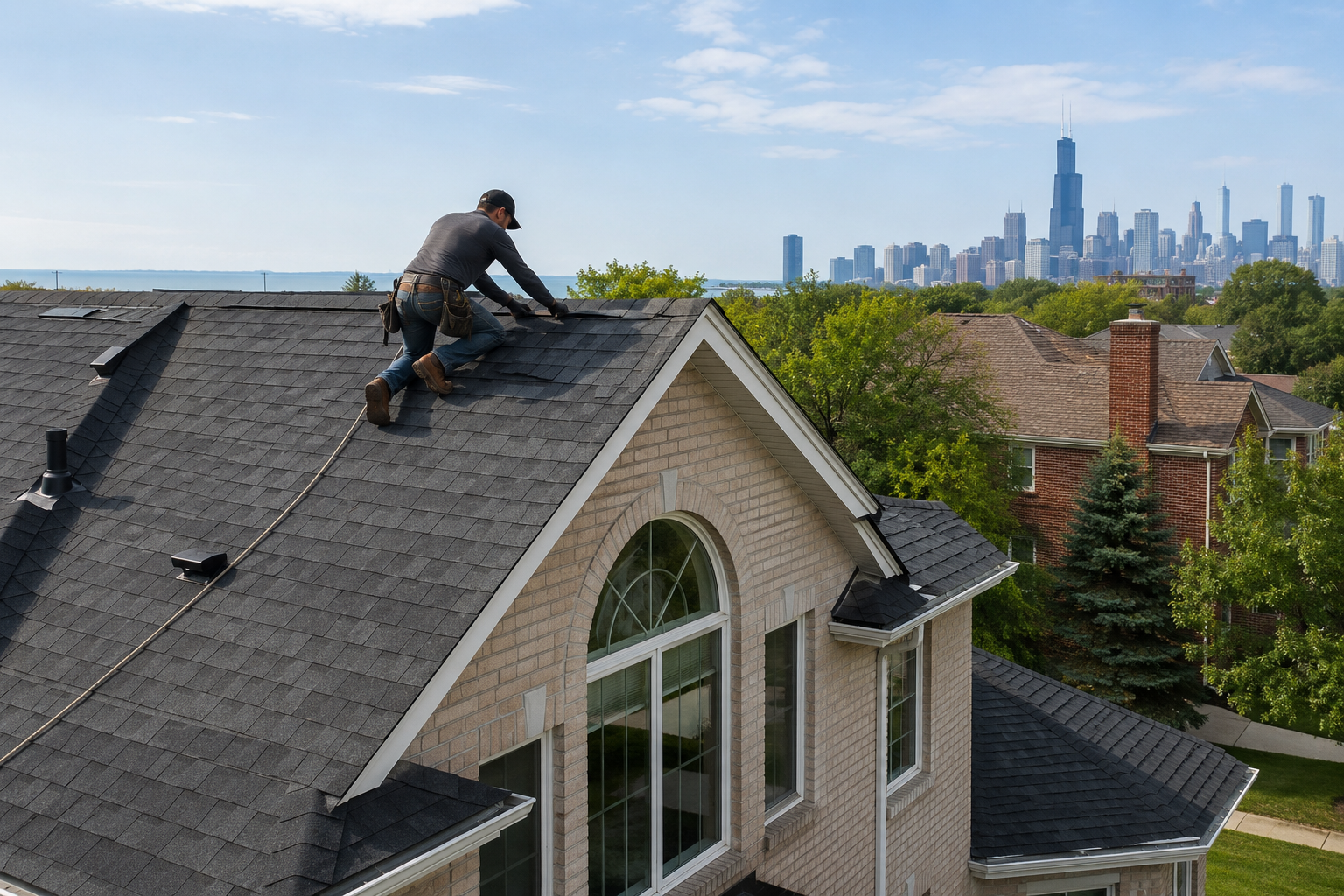
Inspect the roof from ground level and, if safe, from a ladder for missing, lifted, or broken shingles and for leaf or twig buildup that traps moisture; you should mark problem areas for closer inspection later. Use binoculars to scan valleys, chimneys, and flashings for visible wear and pooling that hint at future leaks.
Identifying Shingle Deterioration and Granule Loss
Check for exposed asphalt, bald patches, and granule deposits in gutters; you can run a gloved finger over shingles to feel brittleness and look for light showing through in the attic during the day. Inspect edges and roof intersections where wind and sun accelerate wear so you can prioritize repairs.
Clearing Gutter Blockages and Trimming Overhanging Foliage
Clear gutters by removing leaves, seedpods, and sediment to restore proper drainage and reduce the risk of water backing under shingles; you should also cut back branches that hang over the roof to limit debris and abrasion. Monitor downspouts after cleaning to confirm unobstructed flow and repair misaligned sections.
Use a hand trowel or plastic scoop and a garden hose to flush gutters, check for leaks at seams, and tighten loose hangers; if gutters still overflow or branches are too close for safe trimming, hire a pro to prevent accidental damage or injury.
Maintaining Structural Seals and Flashing
Check the condition of all flashing and structural seals around roof penetrations, valleys, and eaves; you should look for cracks, gaps, rust, or loose metal that can channel water under shingles or into the attic.
Maintain sealant beads and metal fasteners by tightening, cleaning, and resealing with roofing-grade products when you see wear; you can schedule minor repairs now to avoid larger summer leak repairs.
Inspecting Chimney Flashing and Vent Pipe Boots
Examine chimney flashing and vent pipe boots for torn rubber collars, corroded step flashing, or cracked mortar that lets water travel inward; you should probe seams gently and check after storms to catch issues early.
Addressing Sealant Failures and Potential Water Intrusion
Address failed sealant by cutting out old caulk, cleaning surfaces, and applying a compatible, UV-resistant roofing sealant; you should match products to shingle and flashing materials to ensure adhesion and flexibility.
Apply sealant in dry weather, use backer rod or foam for wide gaps, and consider metal repair plates where rubber boots have split; you should inspect patched areas periodically to confirm the repair holds through heat and rain.
Optimizing Attic Ventilation and Cooling
Attic ventilation keeps temperatures down and protects roofing materials during Chicago summers; you should balance intake and exhaust vents to prevent heat buildup that shortens shingle life.
Regulating Airflow to Prevent Shingle Blistering
Balanced airflow prevents trapped attic heat that causes shingle blistering, so you should inspect soffit, ridge, and gable vents for obstructions and proper sizing.
Inspect insulation placement and add baffles where needed to keep intake vents clear, ensuring continuous airflow along the roof deck to reduce blistering risk.
Enhancing Energy Efficiency Through Proper Insulation
Insulation levels directly affect attic temperatures, so you should aim for Chicago-recommended R-values to lower cooling demand and reduce stress on roofing materials.
Seal gaps and top up compressed or missing insulation to minimize attic air infiltration, which keeps your home cooler and extends shingle lifespan.
Measure existing insulation depth and type before upgrades; you can combine spray foam at rim joists with blown insulation across the attic floor for an efficient R-value boost that cuts cooling costs.
Professional Oversight and Long-Term Care
You should schedule professional inspections and a long-term maintenance plan to monitor wear, validate warranties, and plan replacements before Chicago winters.
Local contractors familiar with Chicago’s freeze-thaw cycles will recommend appropriate materials and service intervals while providing reports you can use for insurance claims and resale disclosures.
Benefits of Annual Certified Roofing Assessments
Annual certified assessments uncover hidden deterioration, document roof condition for insurers, and deliver prioritized repair lists so you can budget and act before small problems expand.
Prioritizing Minor Repairs to Prevent Structural Failures
Small issues like lifted shingles, loose flashing, or minor leaks often precede rot and framing damage, so you should repair them promptly to protect your attic and structural supports.
If you find damage, photograph the area, apply temporary protection when safe, and schedule a certified roofer to make permanent repairs before storms or freeze-thaw cycles worsen the problem.
Conclusion
Drawing together, you now have a concise plan: perform seasonal inspections, clear gutters, trim overhanging branches, check flashing and shingles, assess attic ventilation, and address minor repairs before they escalate. Keep photographic records, schedule a professional inspection annually, and prioritize safety when working on steep or aging roofs.
FAQ
Q: How often should Chicago homeowners inspect their roofs during summer, and what specific issues should they look for?
A: Inspect roofs at least once a month during summer and after every heavy storm or strong wind event. Walk perimeter and use binoculars to scan the roof surface, looking for missing, cracked, curled, or blistered shingles; exposed or rusted nails; loose or damaged flashing around chimneys, vents, and skylights; pooled water or low spots on flat roofs; loose or clogged gutters and downspouts; granule loss on asphalt shingles (visible in gutters or on driveway); moss, algae, or plant growth along edges and in valleys; sagging decking or uneven rooflines that suggest structural issues; attic signs such as stains, wet insulation, or daylight visible through the roof sheathing. Photograph any damage, log the date and findings, and address urgent leaks immediately to prevent interior damage.
Q: What are the top 10 summer roofing maintenance tips for Chicago homeowners?
A: 1. Schedule a thorough roof inspection every month and after storms to catch small problems early. 2. Clean gutters and downspouts at least twice in summer to ensure proper drainage and prevent water backup that can damage fascia and shingles. 3. Trim overhanging branches to avoid scraping, punctures, and excess debris buildup on the roof. 4. Remove debris from valleys, around chimneys, and in gutters to maintain proper water flow and prevent rot. 5. Check and reseal flashing, roof-to-wall transitions, and skylight seals to stop leaks before they start. 6. Address moss, algae, and mildew with roof-safe cleaning solutions or professional treatments to prevent shingle deterioration. 7. Inspect attic ventilation and insulation levels to reduce heat buildup in summer, which shortens shingle life and raises cooling costs. 8. Replace damaged or missing shingles promptly and inspect surrounding shingles for signs of spreading damage. 9. Secure or replace loose fasteners and check for rusted nails or metal components; use corrosion-resistant materials where possible. 10. Maintain a clear service record with dates, photos, and receipts for inspections, repairs, and warranties to support future claims and resale value.
Q: When should I call a professional roofer in Chicago, and what should I expect regarding costs, permits, and contractor selection?
A: Call a professional roofer in Chicago if you find active leaks, extensive shingle loss, visible decking sag, large areas of missing flashing, interior ceiling stains that spread after rain, or if a roof is older than 15-20 years and showing widespread wear. Expect small repairs like shingle replacement or flashing patching to range from about $150 to $800 depending on complexity and access. Moderate repairs and partial reroof sections commonly fall between $800 and $3,000. Full asphalt shingle replacements for an average Chicago home typically run from $5,000 to $15,000 or more depending on roof size, pitch, and materials; metal, slate, or specialty products increase costs. Check with the City of Chicago building department before major work; reroofing and structural changes often require permits and inspections. Hire contractors who provide written estimates, proof of insurance and liability coverage, local references, manufacturer-certified installer status if available, a clear warranty for workmanship and materials, and a timeline with milestones. Obtain at least three bids, verify contractor complaint history through local consumer agencies or the Better Business Bureau, request lien waivers, and avoid large upfront cash payments. Document all work and retain permits and warranties for future buyers or claims.
