
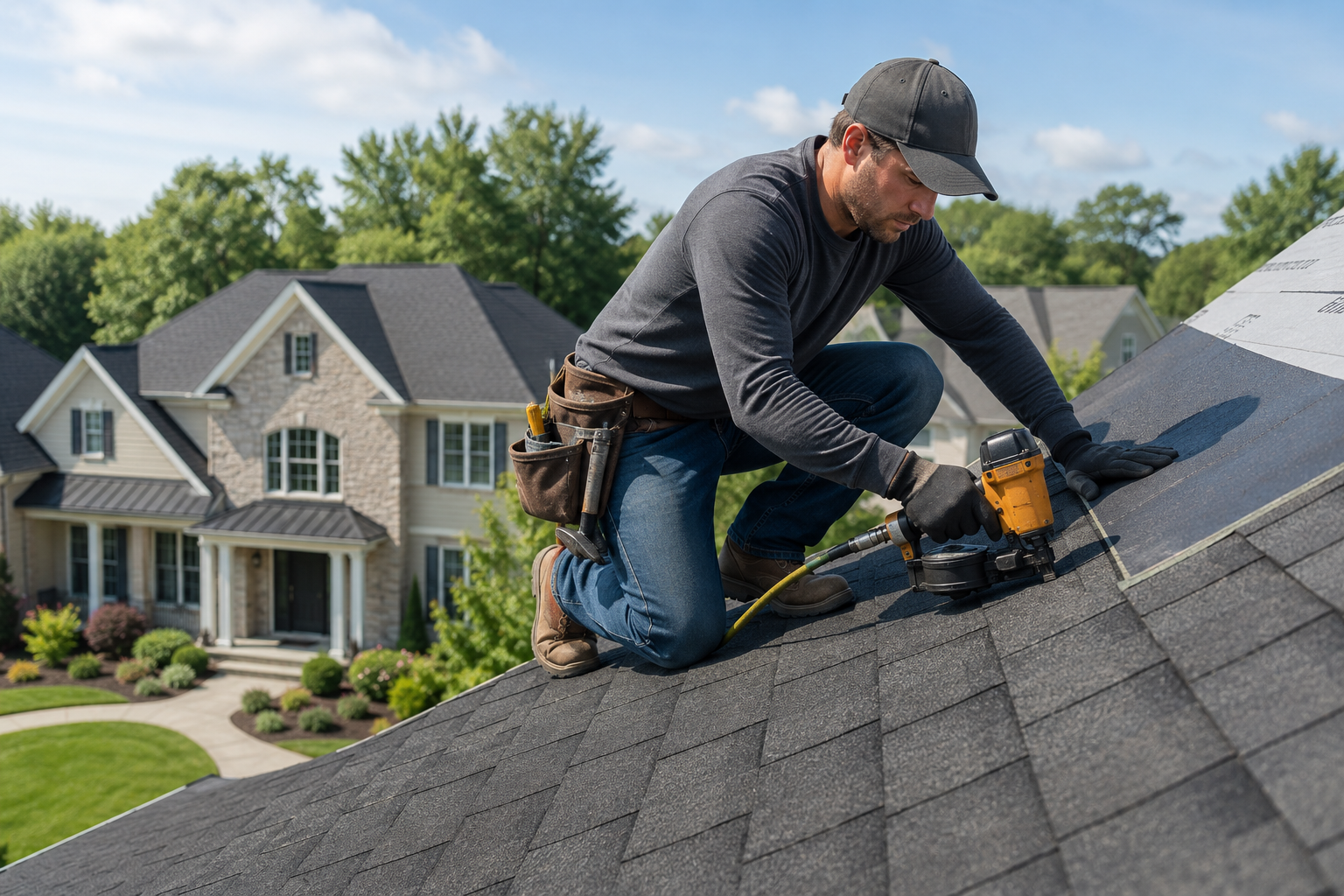
Just because a roofer works in Chicago doesn’t mean they’re the right fit for your home. You need someone licensed, insured, and experienced with local weather challenges. Look for clear communication, detailed estimates, and solid warranties. Your roof protects everything underneath-choose a contractor who proves reliability from the first call.
Key Takeaways:
- Check local reviews and ask for references to verify a roofer’s reputation and past work quality in Chicago’s climate conditions.
- Ensure the roofers in Chicago are licensed, insured, and offer a written warranty to protect your home and investment during and after the project.
- Get multiple detailed quotes to compare pricing, materials, and timelines, making sure each estimate includes removal of old materials and proper cleanup.
Verifying Licensing and Regulatory Compliance
Every reputable roofer in Illinois must hold a valid state-issued roofing license. You can confirm this by checking the Illinois Department of Financial and Professional Regulation (IDFPR) website. Always request the license number directly from the contractor and verify it matches the state records. Working with an unlicensed roofer risks poor workmanship and leaves you without legal recourse.
Validating Illinois State Roofing Licenses
Your chosen roofer should provide a current Illinois roofing contractor license issued by the IDFPR. This license ensures they’ve passed required exams and carry proper insurance. Cross-check the license status online to confirm it’s active and free of disciplinary actions. Never accept verbal assurances-verify independently for your protection.
Confirming City of Chicago Building Code Adherence
Chicago enforces strict building codes for roofing materials, ventilation, and structural safety. Your roofer must pull permits and schedule inspections as required. Ask for proof they follow municipal code 14-8-100 and related roofing standards. A contractor familiar with local rules helps avoid fines and failed inspections.
Chicago’s climate demands roofing systems that handle heavy snow, wind, and temperature swings. The city’s building code includes specific requirements for ice and water shield, underlayment, and wind uplift resistance. A qualified roofer will design and install your roof to meet these standards, ensuring long-term durability and compliance. Insist on seeing documentation of past permit approvals and inspection sign-offs from the Department of Buildings.
Assessing Insurance and Liability Coverage
Every reputable roofer in Chicago should carry proper insurance to protect your property and peace of mind. You’re responsible for verifying both general liability and workers’ compensation coverage before work begins. Without it, you could face costly repairs or legal issues if something goes wrong on the job site. Always request proof of insurance and confirm its validity through the provider.
General Liability for Property Damage Protection
General liability insurance shields you if a roofer accidentally damages your home or belongings during the project. This includes broken windows, dented siding, or interior water damage from unexpected leaks. You should insist on seeing a current certificate that lists your address and the full scope of work. Never allow a crew to start without confirming this coverage is active and sufficient.
Workers’ Compensation for Homeowner Indemnity
Workers’ compensation protects you if a roofer gets injured on your property. Without it, you could be held legally and financially responsible for medical bills or lost wages. Illinois law requires most contractors to carry this coverage, so always ask for proof. A licensed roofing company will provide documentation without hesitation.
Should an injury occur and the roofer lacks workers’ comp, your homeowner’s insurance might be tapped to cover expenses-potentially raising your premiums or leading to a claim dispute. This risk is entirely avoidable by confirming coverage upfront. Ask the roofing company for their workers’ comp policy number and verify it with the Illinois Workers’ Compensation Commission or their insurer directly. Your safety and financial protection depend on this simple step.
Evaluating Local Reputation and Experience
Choosing roofers in Chicago means looking beyond flashy ads and focusing on real, local track records. You need contractors who’ve handled the city’s unique weather patterns and building styles over several seasons.
Years of service in the area often reflect reliability and familiarity with regional challenges like heavy snow loads and sudden storms. A roofer with deep roots in Chicago neighborhoods is more likely to stand by their work and maintain strong community ties.
Analyzing Chicago-Specific Client References
Ask each roofer for recent references from clients in your area, especially those with homes similar to yours. Speaking directly to neighbors gives you honest insights into punctuality, cleanliness, and problem resolution.
Pay attention to how past customers describe communication and unexpected issues. A pattern of positive feedback from Chicago homeowners signals consistency in service quality.
Reviewing Portfolios of Neighborhood Projects
Examine photo portfolios showing completed jobs in your part of the city. These visuals reveal attention to detail and whether the roofer has experience with your home’s architectural style.
Seeing a track record of work on bungalows, two-flats, or historic homes in Logan Square or Hyde Park builds confidence in their capability.
When reviewing portfolios, focus on projects within a few miles of your home. Roofing materials and techniques can vary by neighborhood due to age of construction, code requirements, and aesthetic standards. A contractor who’s successfully replaced roofs on century-old brick homes in Ravenswood likely understands the structural nuances you’ll face. Look for consistency in craftsmanship-clean flashing, proper shingle alignment, and seamless integration with existing siding. These details matter most when weatherproofing your home against Chicago’s demanding climate.
Navigating the Bidding and Estimate Process
Getting multiple estimates helps you understand fair pricing for your roofing project in Chicago’s variable climate. Reputable roofers provide clear, written proposals that reflect the scope, materials, and labor involved.
Always schedule in-person assessments so contractors can inspect your roof’s condition accurately. This step ensures bids are based on real data, not guesses, reducing the chance of surprise costs later.
Comparing Detailed Line-Item Proposals
A detailed line-item proposal breaks down every cost so you can compare services accurately. Look for specifics like shingle type, underlayment grade, and removal fees.
| Item | What to Check |
|---|---|
| Materials | Brand, warranty, and thickness (e.g., 30-year vs. 50-year shingles) |
| Labor | Number of crew days and hourly or flat rate |
| Permits | If included or billed separately |
| Removal & Disposal | Cost per square and dumpster size |
Identifying Red Flags in Low-Ball Estimates
A bid significantly below others might signal subpar materials or hidden charges. Some contractors lure homeowners with low prices, then demand more money mid-project.
Watch for vague descriptions, missing permits, or refusal to provide references. These shortcuts often lead to poor workmanship or code violations that become your responsibility.
Low-cost estimates sometimes exclude crucial steps like ice and water shield installation, which is critical in Chicago’s snowy winters. Skipping this increases the risk of leaks and costly interior damage. A trustworthy roofer won’t cut corners on protection just to win your business.
Material Selection for the Illinois Climate
Illinois weather demands roofing materials that can endure harsh winters, humid summers, and sudden temperature shifts. Your roof must resist ice dams, heavy snow loads, and intense UV exposure while maintaining structural integrity over time. Choosing the right material isn’t just about appearance-it’s about long-term performance in real local conditions.
Choosing Materials for Extreme Temperature Fluctuations
Temperature swings in Chicago can exceed 70 degrees in a single week, stressing roofing systems. Materials that expand and contract excessively may crack or loosen over time. Below is a comparison of common options suited for these conditions:
| Material | Performance in Temperature Swings |
|---|---|
| Asphalt Shingles | Good short-term flexibility; may degrade faster with repeated expansion |
| Concrete Tile | High thermal mass; resists cracking under fluctuation |
| Standing Seam Metal | Excellent expansion/contraction tolerance; durable in freeze-thaw cycles |
| Slate | Superior stability; minimal movement with temperature changes |
Understanding Manufacturer vs. Workmanship Warranties
A manufacturer’s warranty covers defects in the roofing material itself, such as premature granule loss or cracking under normal conditions. Your roofer’s workmanship warranty, on the other hand, protects against installation errors like improper flashing or fastening. Both are imperative, but they cover entirely different risks.
You need both warranties to be clearly documented and transferable. A long manufacturer warranty means little if poor installation leads to leaks within the first year. Always confirm the length and terms of each, and choose a roofer who stands behind their labor with a warranty of at least five years.
Finalizing the Service Agreement
Choosing the right roofer means nothing without a clear, written agreement in place. Once you’ve vetted contractors and reviewed estimates, it’s time to lock in the details. A professional contract protects both you and the contractor, ensuring everyone understands the scope, costs, and expectations.
You’ll want to read every line before signing. Never assume verbal promises are included-only what’s documented holds legal weight. Confirm that all materials, labor, and responsibilities are explicitly outlined to prevent disputes later.
Essential Clauses in a Professional Roofing Contract
A solid roofing contract includes specific clauses that define the job clearly. Your agreement should list the exact materials to be used, including brand names and warranties, so there’s no substitution without your approval.
It must also state who obtains permits and how code compliance will be handled. Include language about cleanup, liability insurance, and what happens if damage occurs during work. These details keep you protected and the project on track.
Establishing Timelines and Payment Milestones
Your contract should spell out a realistic start and completion date, accounting for Chicago’s unpredictable weather. Avoid open-ended timelines that give contractors leeway to delay without consequence.
Payment should be tied to clear milestones, not handed over in full upfront. Typical breakdowns include a small deposit, mid-project payment after key phases, and final payment only after inspection and approval.
Linking payments to progress ensures accountability and gives you leverage if work stalls or quality drops. Most reputable roofers accept this structure because they stand by their timelines and craftsmanship. With Chicago’s short roofing season, a firm schedule helps avoid delays that could leave your home exposed to storms or snow.
To wrap up
Conclusively, choosing the best roofers in Chicago means verifying proper licensing, checking local references, and reviewing detailed written estimates. You need contractors with proven experience in handling Chicago’s harsh weather and building codes. Look for clear communication, warranties on workmanship, and insurance coverage-these protect your home and investment. Trust your instincts when evaluating professionalism and responsiveness. The right roofer stands behind their work and makes the process transparent from start to finish.

FAQ
Q: How do I verify a roofer’s license and insurance in Chicago?
A: All roofing contractors in Chicago must hold a valid city business license and carry general liability insurance. You can verify a contractor’s license by visiting the City of Chicago’s Department of Business Affairs and Consumer Protection (BACP) website and searching their business name or license number. Ask the roofer directly for a copy of their insurance certificate and confirm it’s current. Avoid any company that refuses to provide proof. Working with an unlicensed or uninsured roofer puts you at financial risk if accidents occur or work is done improperly.
Q: What red flags should I watch for when hiring a roofer in Chicago?
A: Be cautious of roofers who knock on your door after storms, demand large upfront payments, or offer prices much lower than others. These are common signs of unreliable or fraudulent contractors. Avoid anyone who pressures you to sign quickly or doesn’t provide a written contract. A trustworthy roofer will give a detailed estimate, explain the scope of work, and allow time for you to review. If a company has no local address, poor online reviews, or refuses to show references, consider other options.
Q: How can I compare roofing estimates effectively?
A: When comparing estimates, look beyond the total price. Check what each quote includes-materials, labor, cleanup, permits, and warranty coverage. One low bid might use lower-grade shingles or skip necessary underlayment. Ask each contractor to break down costs line by line. Compare the brand and quality of roofing materials, the length of the workmanship warranty, and whether the estimate includes removal of the old roof. A slightly higher bid with better materials and a 10-year warranty often saves money over time compared to a cheap, short-term fix.
