
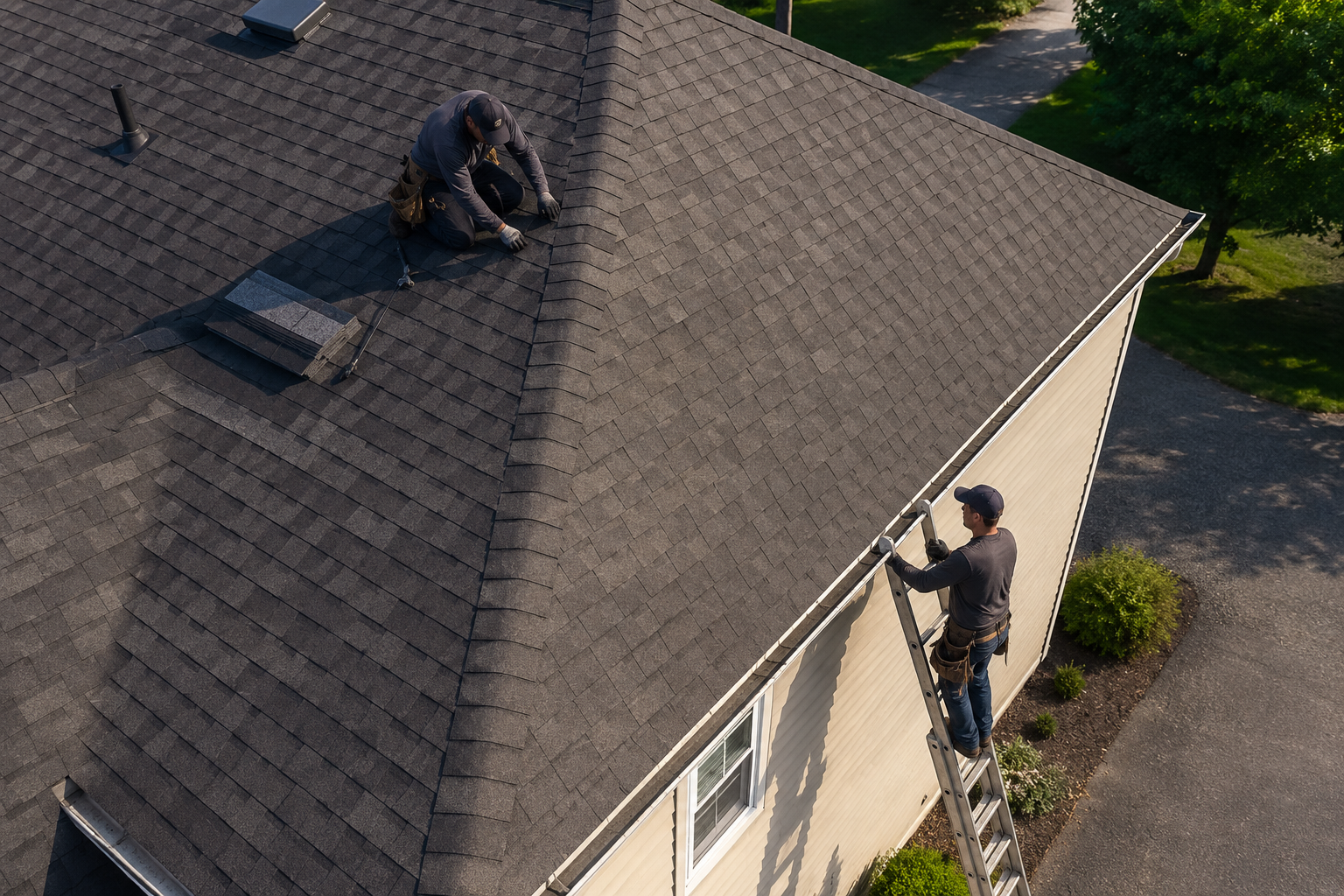
Roofers in Hoffman Estates must meet specific local standards to ensure your home remains protected through harsh Midwest weather. You need clear answers to eight key questions before hiring, from licensing to warranty terms. A misstep can lead to costly repairs or code violations, especially in a community with distinct permitting rules and climate demands.
Verifying Local Licensing and Insurance
Illinois State Roofing License requirements
Roofing contractors in Illinois are not required to hold a statewide license, but many municipalities, including Hoffman Estates, enforce local licensing rules. You must confirm whether the roofer holds a current business license issued by the village or county. A licensed contractor typically undergoes a registration process that includes proof of insurance and a background check. Always request a copy of their license and verify its status through the Hoffman Estates Department of Planning and Economic Development.
General liability and workers’ compensation coverage
Every roofing contractor you consider should carry general liability insurance and workers’ compensation coverage. General liability protects you if property damage or injuries occur on your property during the project. Workers’ compensation covers medical costs if a worker is injured on the job, shielding you from potential liability. Ask for current certificates of insurance and verify the policy details directly with the insurer.
Insurance coverage must reflect the actual number of employees and scope of work. A mid-sized SaaS firm discovered gaps in coverage after a subcontractor was injured, leading to unexpected legal exposure. Confirm that the policy lists your home as a project location and remains active throughout the job. Insist on updated certificates before work begins.
Assessing Experience with Hoffman Estates Building Codes
Compliance with local municipal regulations
Local permitting requirements in Hoffman Estates often dictate roof pitch, material types, and ventilation standards. A qualified roofer submits plans that align with village inspections and secures approvals without delays. You should confirm they’ve handled permits for projects in subdivisions like Spring Hill or Hemmens Estates, where covenants add another layer of compliance.
Experience with Illinois climate-specific roofing needs
Illinois weather demands roofing systems that resist freeze-thaw cycles and manage heavy snow loads. Contractors familiar with the region install ice and water shield along eaves and valleys as a standard practice. They also specify impact-resistant shingles rated for hail, a frequent concern in Cook County.
Roofers with long-term operations in the area adapt underlayment thickness and ventilation strategies based on seasonal humidity and wind exposure. A mid-sized SaaS firm retrofitting its office near IL-59 required enhanced attic ventilation to prevent moisture buildup, a detail the contractor addressed proactively using village-approved methods.
Evaluating Local Reputation and References
Reviewing recent projects in the Hoffman Estates area
Local project experience reveals how well a roofer understands regional architecture and weather challenges. Look for completed homes in neighborhoods like Springmeadow or Harper’s Landing to assess quality and material choices. A contractor who has installed impact-resistant shingles on a two-story colonial near Dunton Avenue demonstrates relevant expertise. Consistency in clean flashings and proper venting across multiple jobs signals attention to detail.
Checking Better Business Bureau ratings and online testimonials
BBB profiles show accreditation status, complaint history, and how promptly issues are resolved. A roofer with an A+ rating and fewer than three complaints over five years reflects reliable service. Online reviews on Google and Facebook often include photos and specific feedback about scheduling or cleanup. One customer might note a crew completed a roof in two days without damaging landscaping.
Patterns in testimonials matter more than isolated praise or criticism. Repeated mentions of punctuality, clear communication, or unexpected delays offer real insight. A mid-sized SaaS firm’s office renovation in the Industrial Park noted timely coordination with other contractors. Such details confirm professionalism beyond marketing claims.
Comparing Detailed Estimates and Project Timelines
| What to Compare | Why It Matters |
|---|---|
| Line-item costs for materials, labor, permits, and cleanup | Prevents hidden fees and clarifies where your investment goes |
| Start date, milestones, and expected completion | Allows coordination with your schedule and reduces disruptions |
Itemized breakdowns of labor and material costs
A detailed estimate separates material costs from labor, equipment, and disposal fees. You can spot inconsistencies, such as one roofer charging significantly more for shingles while another inflates labor rates. A mid-sized SaaS firm managing rental properties in Hoffman Estates found that comparing line items revealed a 22% variance between two seemingly similar bids.
Material brands and grades affect long-term performance. One quote may list GAF Timberline HDZ shingles with a 50-year warranty, while another uses a standard architectural shingle. Labor costs should reflect local wage standards and include cleanup and debris removal.
Clear expectations for project start and completion dates
Start and finish dates should be stated in writing, accounting for weather delays and material delivery timelines. A reliable roofer provides a realistic window, not just a vague promise. One homeowner in the Randhurst area secured a signed timeline that included a three-day buffer for rain, which proved necessary during a wet spring.
Completion dates tied to milestones-like tear-off completion, underlayment installation, and final inspection-help track progress. A roofer who hesitates to commit to dates may lack scheduling discipline or sufficient crew capacity.
Some contractors include a daily update protocol, such as a photo log or brief call, to keep homeowners informed. This level of communication often reflects a structured workflow and respect for the client’s time and property.
Reviewing Workmanship and Manufacturer Warranties
A strong warranty package reflects confidence in both installation quality and materials used. You should expect a roofer in Hoffman Estates to offer a written workmanship warranty covering labor for a defined period, typically ranging from two to ten years depending on the contractor’s policy. This protection addresses issues stemming from improper installation, such as leaks or fastening errors, which are not covered under manufacturer agreements.
Protection against installation errors and defects
Workmanship warranties guard against mistakes made during the roofing process, including incorrect flashing installation, poor shingle alignment, or inadequate ventilation setup. A mid-sized SaaS firm that recently replaced its office roof in the Randhurst area discovered water intrusion traced to improperly sealed valleys, a flaw corrected at no cost under the contractor’s five-year labor warranty. Your agreement should clearly define what constitutes a covered defect and the process for filing a claim.
Long-term material performance guarantees
Manufacturers like GAF, Owens Corning, and CertainTeed offer limited lifetime warranties on premium asphalt shingles, covering defects such as premature curling, cracking, or algae growth. These guarantees often require installation by a certified contractor to remain valid, linking material protection directly to work quality. Transferability to future homeowners may also be available, adding value if you decide to sell.
Some manufacturer warranties include coverage for wind damage, with ratings up to 130 mph for top-tier product lines. Algae resistance is another common feature, typically backed by a 10- to 15-year guarantee, especially in humid climates like Hoffman Estates where organic growth can shorten roof life. Be sure your chosen products carry these endorsements and that the roofer provides documentation proving proper installation standards were met.
To wrap up
Choosing the right roofer in Hoffman Estates means asking clear, direct questions about licensing, experience with local codes, and warranty terms. You gain confidence by reviewing verified references and comparing itemized estimates from contractors familiar with regional weather challenges. A mid-sized SaaS firm relocating its office to the area recently selected a roofer who provided a 15-year workmanship guarantee and used impact-resistant shingles rated for Illinois hail patterns. Your decision should reflect documented reliability, not just price or promises.
You protect your investment by insisting on proof of insurance and manufacturer certifications before work begins. One homeowner on Barrington Road avoided $12,000 in potential repair costs after discovering their initial contractor lacked proper liability coverage. Prioritize roofers who openly discuss timelines, material sourcing, and cleanup procedures. The strongest candidates answer every question without hesitation and stand by their work long after the final inspection.
FAQ
Q: How do I confirm a roofer is properly licensed and insured in Hoffman Estates?
A: Contact the Hoffman Estates Building and Zoning Division to verify if the contractor holds a current local license, which is required for all roofing work on residential and commercial properties. Request proof of both general liability insurance and workers’ compensation coverage, and confirm their validity by calling the issuing insurance provider directly. A licensed roofer will also have an Illinois state contractor license if structural modifications are involved, especially for roof replacements or major repairs.
Q: What should I look for in a roofer’s experience with local building codes?
A: Ask the contractor to describe recent projects in Hoffman Estates and how they addressed specific code requirements such as wind resistance ratings, snow load standards, and attic ventilation rules set by the village. A qualified roofer will reference the 2021 International Residential Code (IRC) as adopted by Cook County and explain how permits are filed and inspections scheduled through the Hoffman Estates Public Works Department. One contractor, for example, avoided a permit delay by pre-coordinating a structural review for a tile roof upgrade on a Bartlett Avenue home.
Q: Can a detailed estimate reveal potential red flags?
A: Yes. A reliable estimate includes line-item costs for tear-off, disposal, underlayment, shingles, flashing, and labor, not a single lump sum. Be cautious if the quote lacks specifics on material grades-such as confusing “architectural shingles” with a named product like GAF Timberline HDZ-and omits cleanup procedures or timeline milestones. A mid-sized SaaS firm in the industrial park received two bids for a flat roof repair; the lower bid excluded permit fees and debris removal, ultimately costing 38% more once completed.
